




Over Scheduling Can Be Dangerous
Introduction
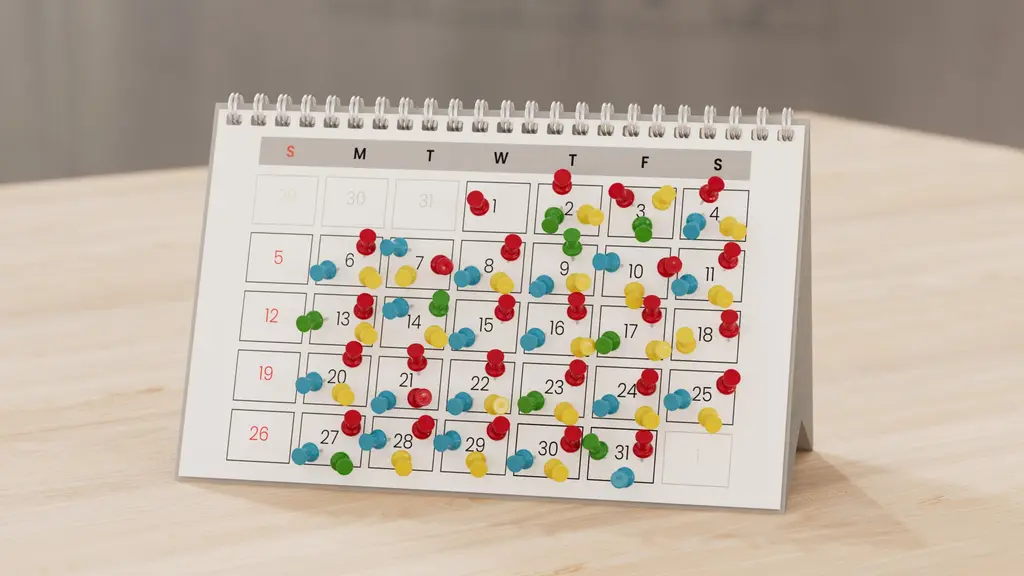
The Pressure Modern Parents Face Today
Modern parents are under enormous pressure to “do it all.” You know how it feels. Be involved. Be present. Sign up for enrichment activities. Keep the kids active. Excel at work. Maintain the house. Answer every email. Volunteer at school. Plan healthy meals. Stay organized. Parents of today are under enormous pressure.
Somewhere along the way, productivity became the goal of parenting.
But many families are discovering something important: being constantly productive is not always the same thing as being connected.
What Research Says About Overscheduling Children
Experts increasingly warn that over scheduling children and overloading family calendars can increase stress for both parents and kids. Research and therapists note that children who are constantly moving from activity to activity may experience anxiety, exhaustion, difficulty relaxing, and less opportunity for creativity and independent problem-solving. These are all problems that are vexing our young adults. And problems that are facing us.
The mental load of managing school schedules, practices, appointments, homework, meals, and work responsibilities can become overwhelming. One recent survey found that many parents feel over scheduling affects not only stress levels, but also their relationships and overall family connection.
The Productivity Trap in Parenting: How It Starts
The productivity trap often looks harmless at first.
It starts with good intentions:
- wanting children to succeed
- wanting to provide opportunities
- wanting to avoid screen time
- wanting to “make the most” of childhood
But eventually every hour becomes accounted for. Families begin rushing from one commitment to another with very little downtime. Parents multitask constantly, answering work messages during dinner, scheduling activities during soccer practice, folding laundry while helping with homework.
Why Multitasking Makes Family Life Harder
Ironically, multitasking rarely makes anyone feel calmer or more efficient. Studies on multitasking suggest that constantly switching attention can actually reduce focus and increase mental fatigue.
Children notice this pace too.
What Overscheduled Children Actually Need
Kids do not always need more activities, more structure, or more entertainment. Often, they need:
- slower mornings
- conversations in the car
- unstructured play
- boredom that sparks imagination
- parents who are emotionally available, not just physically present
The Importance of Unstructured Time for Kids
Unstructured time is increasingly recognized as important for creativity, emotional development, and self-direction. In today’s world you need to plan unstructured time.
Finding Balance Between Activities and Family Connection
This does not mean families should avoid extracurriculars or busy seasons altogether. Activities can build confidence, friendships, discipline, and joy. The goal is balance.
A helpful question for parents is not: “Are we doing enough?”
Instead ask: “Does our family still have room to breathe?”
Sometimes the healthiest family choice is saying no to one more activity, one more commitment, or one more attempt to optimize childhood. It is about finding a way to balance an activity with some good old fashioned relaxing time.
What Your Children Will Remember
Children may not remember every lesson, class, or practice.
But they will remember how home felt.
Calm. Connected. Safe. Unhurried.