




Simple Fall Sensory Activities for Babies and Toddlers
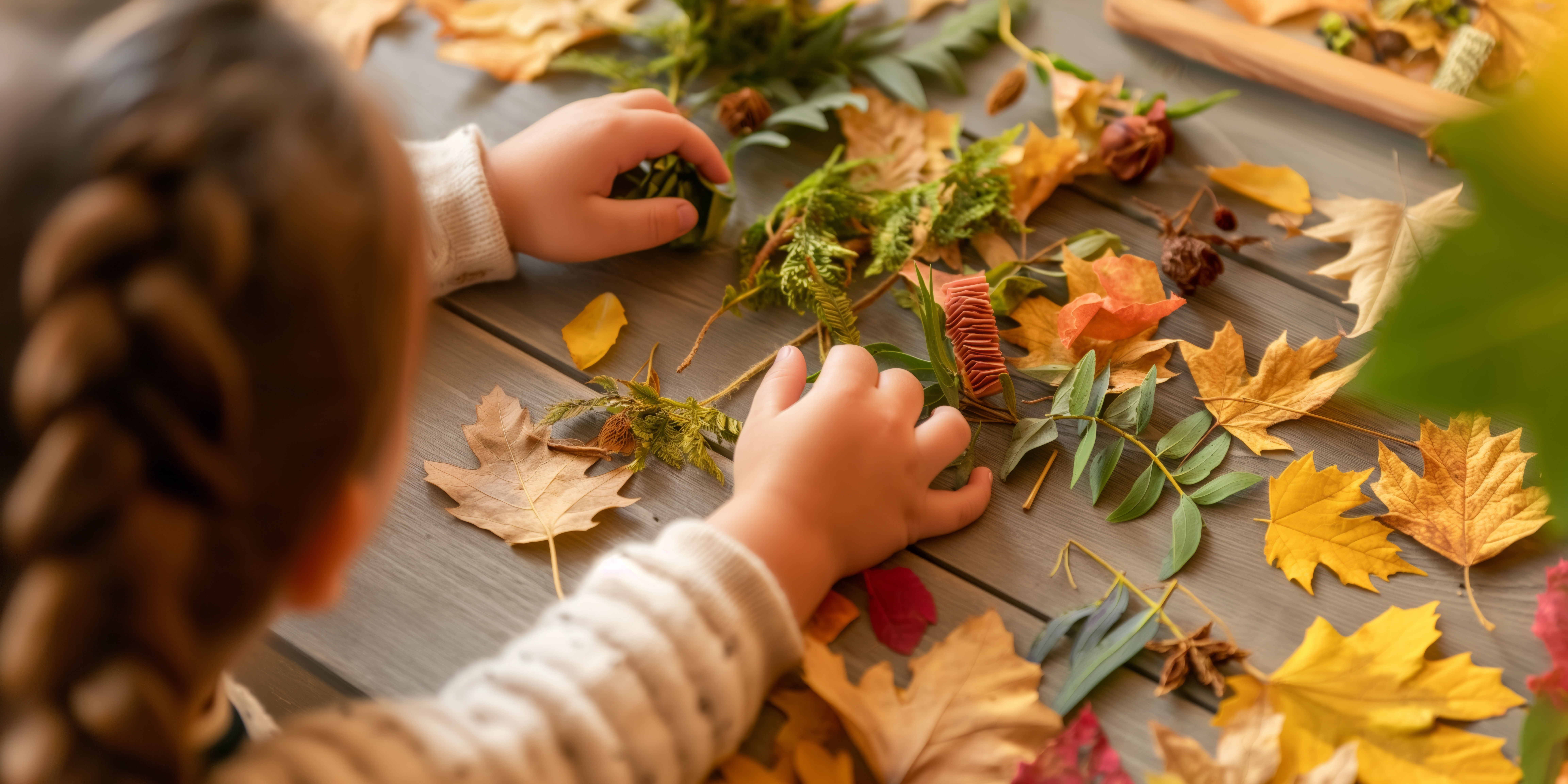
Fall is filled with new colors, sounds, textures, and smells, making it a wonderful season for sensory play. Babies and toddlers are natural explorers. They learn by touching, watching, listening, moving, and—quite often—putting things in their mouths!
Sensory play gives young children opportunities to gather information about their surroundings. When a baby squeezes a soft cloth or a toddler rolls a pumpkin, the brain begins connecting what the child sees with how the object feels, sounds, and moves. These simple experiences support early thinking, motor coordination, attention, and language.
The adult’s involvement makes sensory play even more valuable. When a child points, babbles, smiles, or reaches for something and a caregiver responds, a back-and-forth interaction takes place. Harvard’s Center on the Developing Child explains that these “serve and return” exchanges help strengthen neural connections related to communication and social development. In other words, sensory play becomes especially powerful when a caring adult notices, responds, and talks about the experience.
Try these easy fall activities:
Create a Fall Texture Basket
Fill a basket with baby-safe items in autumn colors and different textures. Try a soft washcloth, chunky knitted scarf, silicone brush, large fabric leaf, smooth wooden spoon, and textured ball. Let the child choose what to explore. Use descriptive words such as “bumpy,” “smooth,” “soft,” and “rough.”
Make a Sealed Leaf Bag
Place colorful leaves and a small amount of water inside a sturdy, clear zippered bag. Seal it securely and tape all four sides to the floor, highchair tray, or window. Babies can pat and press the bag while toddlers move the leaves around. Never allow a child to play with the bag unattended.
Wash a Pumpkin
Place a small whole pumpkin in a shallow container with a little water. Toddlers can wash it with a sponge or soft brush. Babies can explore the pumpkin with a damp cloth while seated securely. Talk about its color, weight, shape, and cool surface.
Take a Listening Walk
A sensory activity does not have to be messy. Step outside and listen for leaves crunching, birds calling, dogs barking, or the wind moving through the trees. Pause and ask, “What do you hear?” Even babies benefit from hearing caregivers name familiar sounds.
Play With Fall-Colored Scarves
Wave lightweight scarves in shades of red, yellow, orange, and brown. Play peekaboo, toss them gently into the air, or move them slowly to music. This encourages visual tracking, movement, and social interaction.
Safety always comes first. Babies and toddlers require constant, hands-on supervision. Avoid acorns, dried corn, small pinecones, loose leaves, or anything that could become a choking hazard. Check with parents before introducing foods, plants, or scented materials, particularly when allergies are a concern. Sensory play does not need to be complicated or expensive. The real learning happens when caregivers slow down, follow the child’s curiosity, and turn an ordinary fall moment into a warm, responsive conversation.