




Laughter Is One of the Best Behavior Management Tools
The Power of Silly
When children are having a difficult moment, our first instinct is often to correct the behavior, give directions, or solve the problem. While those approaches certainly have their place, one of the most effective tools in a parent’s or nanny’s toolbox is often overlooked: humor.
A little silliness can go a long way.
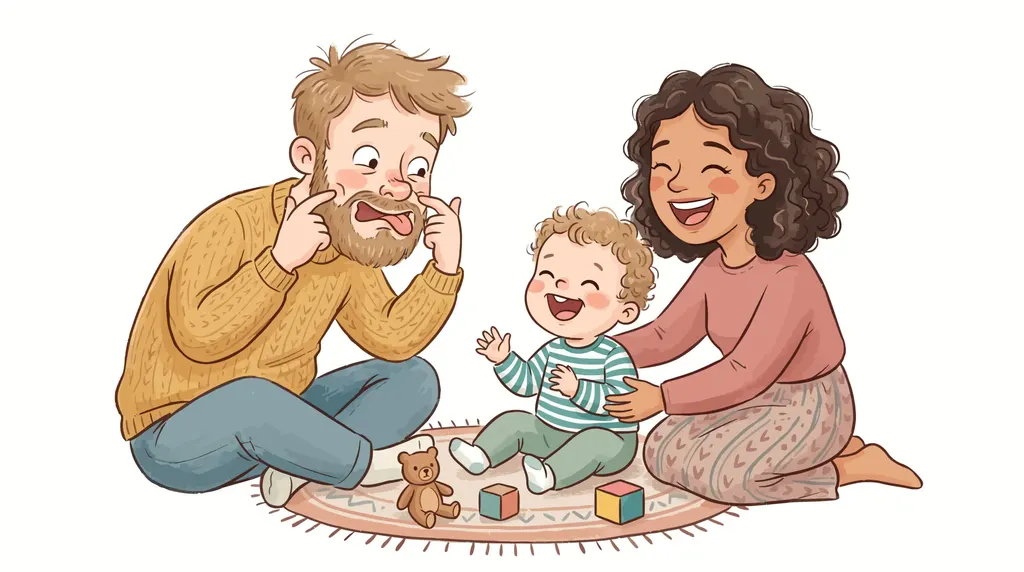
Children are naturally drawn to laughter. When a child is frustrated, resistant, or headed toward a power struggle, a playful response can often change the entire tone of the situation. A silly voice, a funny dance move, an exaggerated expression, or pretending a shoe is “lost” on a foot can redirect attention and help a child reset emotionally.
The science behind laughter.
The science behind laughter helps explain why it works so well. When children laugh, their bodies release feel-good chemicals that help reduce stress and tension. Laughter can lower anxiety, improve mood, and help children feel more connected to the adults around them. At the same time, laughter helps caregivers relax as well, creating a calmer environment for everyone.
Research on child development consistently shows that children learn best when they feel safe and connected. When a child is upset, the emotional part of the brain takes over, making it harder to listen, reason, or follow directions. A playful interaction can help break that cycle and bring a child back to a place where they are ready to engage.
Humor works because it creates connection.
When children feel connected, they are more likely to cooperate. Laughter helps reduce stress, eases tension, and can turn a challenging moment into an opportunity for engagement. Instead of focusing on what they don’t want to do, children become focused on the fun interaction happening in front of them.
For example, if a child refuses to put on their shoes, you might ask, “Do these shoes belong on my ears?” and pretend to wear them. If a child is dragging their feet during cleanup, challenge them to pick up toys while hopping like a bunny or stomping like a dinosaur. If a preschooler is resisting handwashing, ask them if they can wash their hands faster than a race car can zoom across the sink.
Of course, the goal isn’t to entertain children every moment of the day. Silliness is not about avoiding boundaries or saying yes to everything. Children still need structure and clear expectations. Humor is simply a tool that can help caregivers avoid unnecessary power struggles and create a more positive atmosphere.
Here are a few easy ways to add a little silliness to your day:
- Read a favorite book using funny voices for each character.
- Wear a silly hat during cleanup time.
- Pretend everyday objects can talk.
- Turn transitions into games by marching, tiptoeing, or hopping to the next activity.
- Have a “backwards day” moment where children help catch your intentional mistakes.
- Create a funny handshake that is unique to you and the child.
- Make up songs about putting away toys, getting dressed, or washing hands.
Many experienced caregivers will tell you that some of their best moments with children started with a laugh. A silly song during a diaper change, a funny face during a difficult transition, or an impromptu dance party can completely change the direction of a day.
Conclusion
So the next time a situation starts heading toward a meltdown or a standoff, try a little silliness. You may be surprised at how quickly a smile can change everything.
After all, children rarely remember the instructions we gave them, but they often remember how we made them feel. A few moments of laughter can create memories, and relationships, that last far beyond the shift.